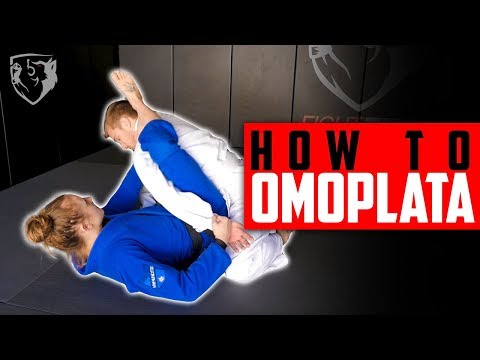
Learn the Omoplata BJJ shoulder lock submission with this detailed guide. Master step-by-step instructions, common mistakes, variations, and crucial...
Joint Lock
Blue Belt
🥋 Purple Belt
★★★☆☆
Advanced
The Omoplata is a powerful shoulder lock submission in Brazilian Jiu-Jitsu, primarily attacking the opponent's shoulder joint. It's unique in that it's often initiated from guard positions, utilizing leg dexterity to isolate and control an arm for the finish. Mastering the Omoplata adds a versatile and often surprising attack to your submission arsenal.
Technique Map
graph LR
Joint_Lock["Joint Lock"]:::catNode
Joint_Lock --> Omoplata
Omoplata["Omoplata"]:::currentNode
Omoplata -.-> Armbar["Armbar"]:::relNode
Omoplata -.-> Kimura["Kimura"]:::relNode
Omoplata -.-> Americana["Americana"]:::relNode
Omoplata -.-> Wrist_Lock["Wrist Lock"]:::relNode
classDef currentNode fill:#f97316,stroke:#fff,color:#fff,font-weight:700
classDef relNode fill:#141926,stroke:#1f2840,color:#a78bfa
classDef catNode fill:#1f2840,stroke:#7c6af7,color:#7c6af7,font-style:italic
How to Execute
1
Isolate the Arm from Guard: From open guard or spider guard, secure one of your opponent's arms by controlling their sleeve and ideally their collar or posture.
2
Hip Escape and Thread Leg: Execute a strong hip escape (shrimp) away from the controlled arm, then thread your leg (on the same side as the controlled arm) over their shoulder and across their back.
3
Rotate and Pin Shoulder: Continue to rotate your body, bringing your other leg over their head, effectively trapping their arm between your legs and pinning their shoulder to the mat.
4
Control Posture and Hips: Maintain strong control of their posture, often by grabbing their far belt or pant leg, preventing them from sitting up or rolling out.
5
Achieve the Finish: Bridge your hips into their shoulder while extending your legs, creating torque on their shoulder joint until they tap.
Key Details & Tips
1
Posture Control is Key: If your opponent can posture up, they will easily escape. Always break their posture down and keep them flat.
2
Hip Movement is Crucial: Effective hip escapes and rotations are essential for setting up and finishing the Omoplata, allowing you to achieve the correct angle.
3
Angle for the Finish: Don't try to finish straight on; adjust your body angle to drive your hips into their shoulder, ensuring maximum leverage and pressure.
4
Common Mistake: Not controlling the opponent's far hip or belt, which allows them to easily roll through or sit up to escape the submission.
Variations
1
Omoplata Sweep: If the opponent defends the submission by rolling forward, you can transition to a powerful sweep, often ending in mount or side control.
2
Omoplata to Triangle/Armbar: The Omoplata setup often presents opportunities to transition directly into a Triangle choke or an Armbar if the opponent defends incorrectly or leaves openings.
3
Inverted Omoplata: A more advanced variation, typically initiated from inverted guard positions, utilizing different entry mechanics to achieve the same shoulder lock.
When to Use
The Omoplata is most effectively applied from open guard, spider guard, or Butterfly Guard, especially when an opponent is trying to posture up or pass. It's excellent when an opponent has a strong grip on your gi or is pushing into you, allowing you to isolate an arm. It can also be set up from half guard or even top positions as a transition.
Counters & Defenses
1
Roll Out: The most common defense is to roll forward over your shoulder, usually into a combat base or turtle position, to relieve the pressure.
2
Posture Up: Immediately posture up and pull your arm free before your leg is fully threaded over your shoulder, preventing the setup.
3
Step Over/Stack: If caught early, step over the leg that's coming over your shoulder and stack into the opponent to alleviate pressure and break their control.
Elite Athletes Who Use This Technique
⚕️ Training Safety & Performance
Q: What is the primary joint targeted by the Omoplata?
The Omoplata primarily targets the shoulder joint, specifically applying pressure to the rotator cuff and surrounding ligaments through leverage from your legs and hips.
🧘 Yoga for BJJ: Improve Your Flexibility
Build the mobility needed for this technique:
📱 Track This Technique in BJJ App
Log sessions, track techniques, and build streaks — free.
Start Tracking Free →